

The second atomic bomb dropped on Japan by the United States in World War II struck the city of Nagasaki.
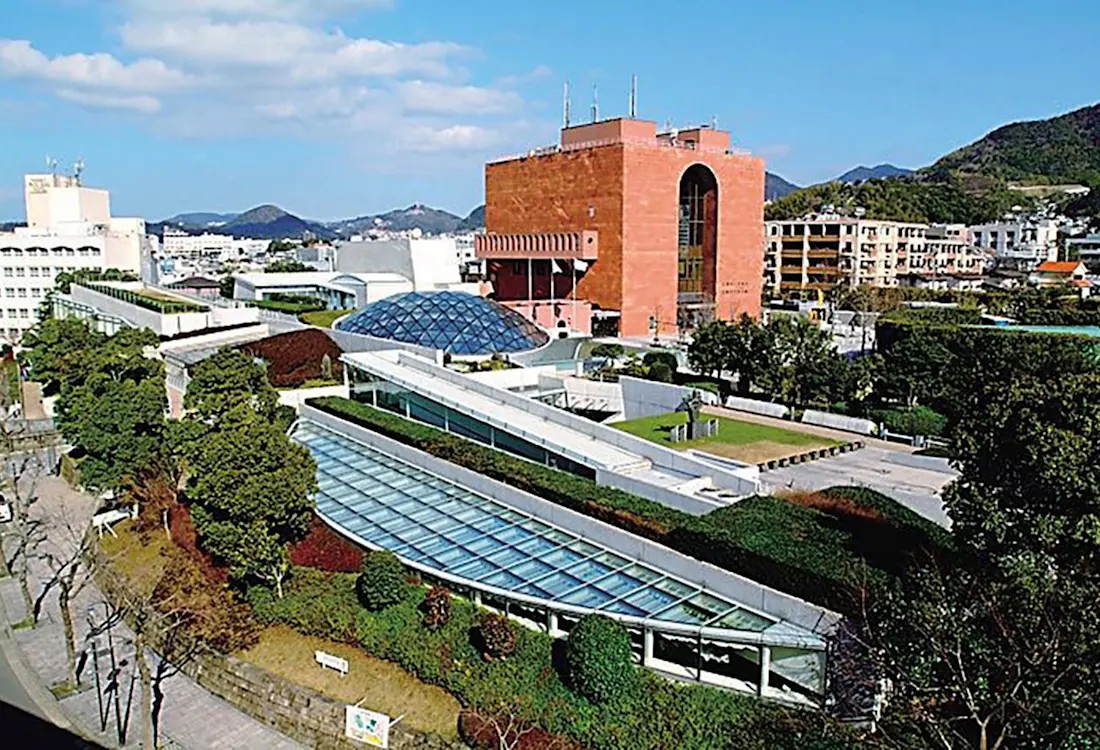
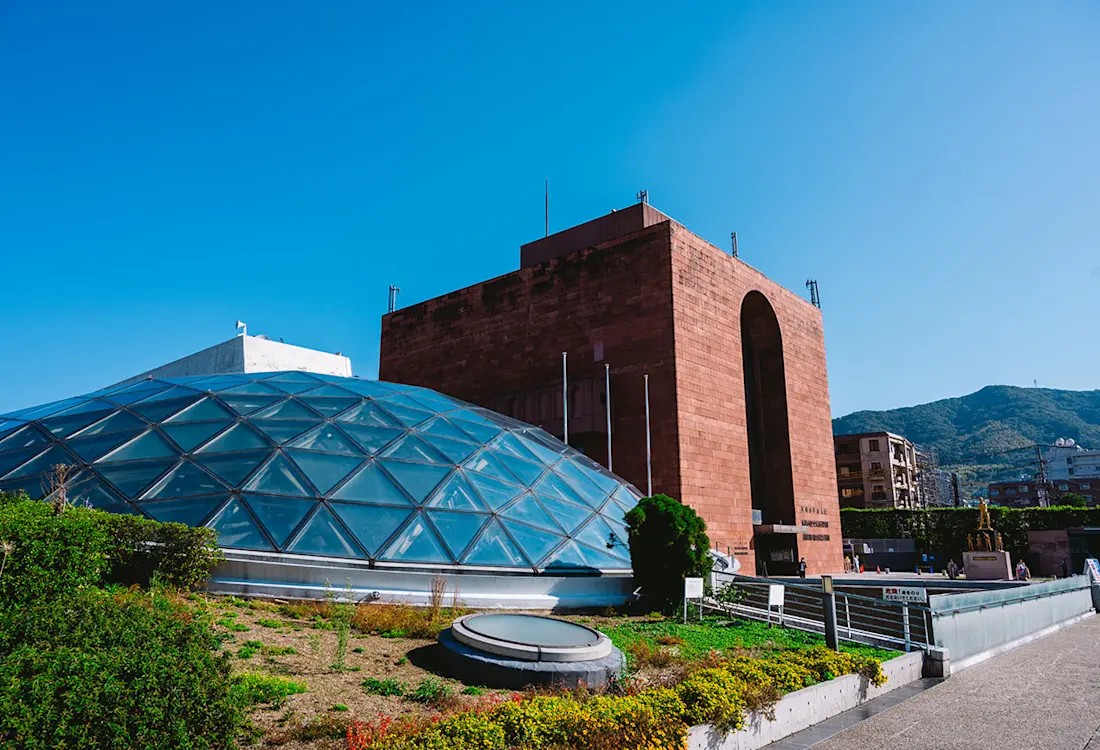
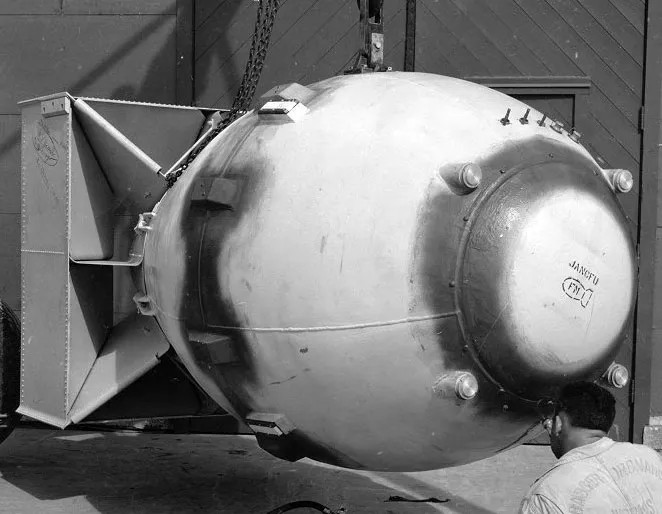
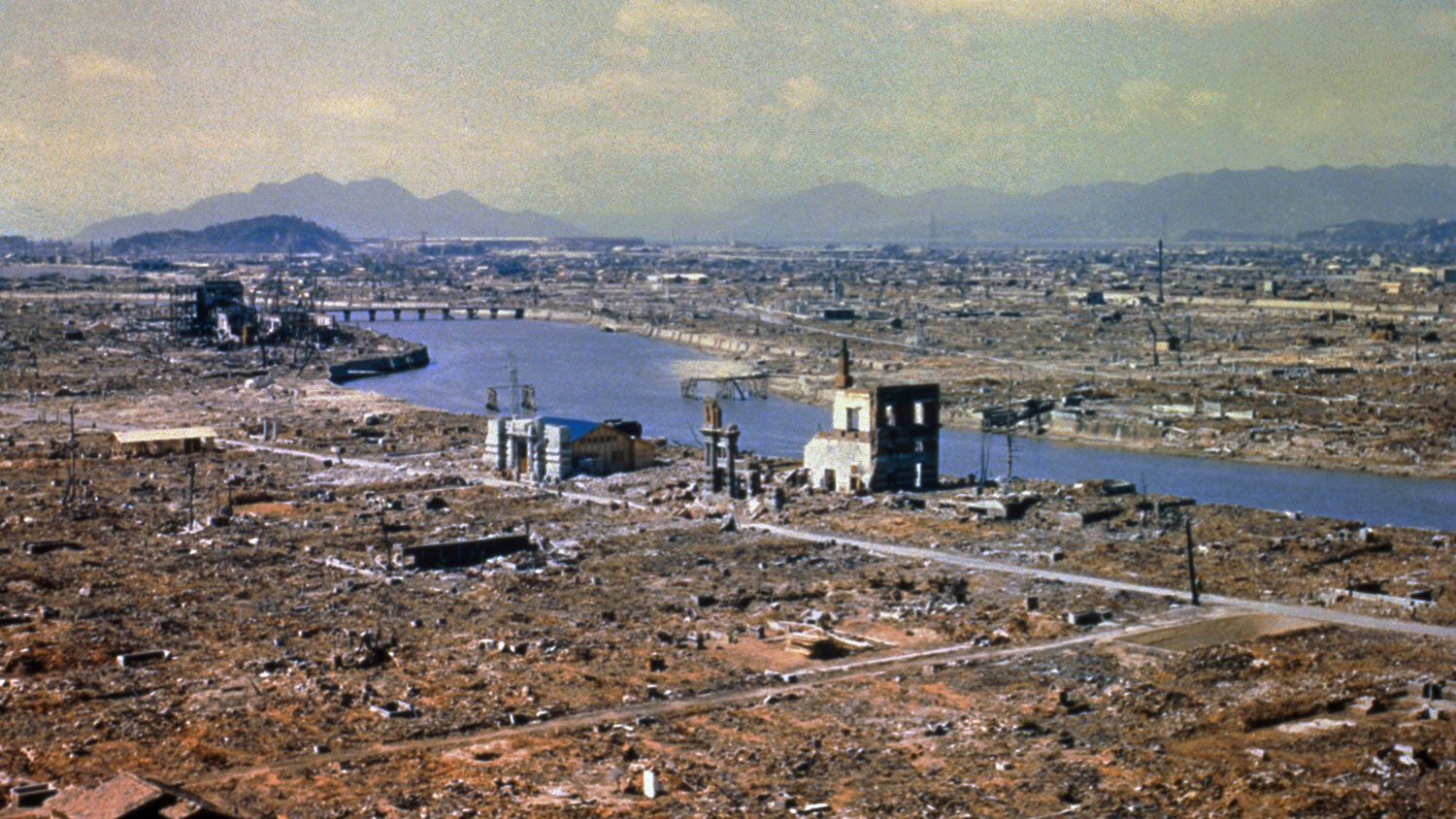
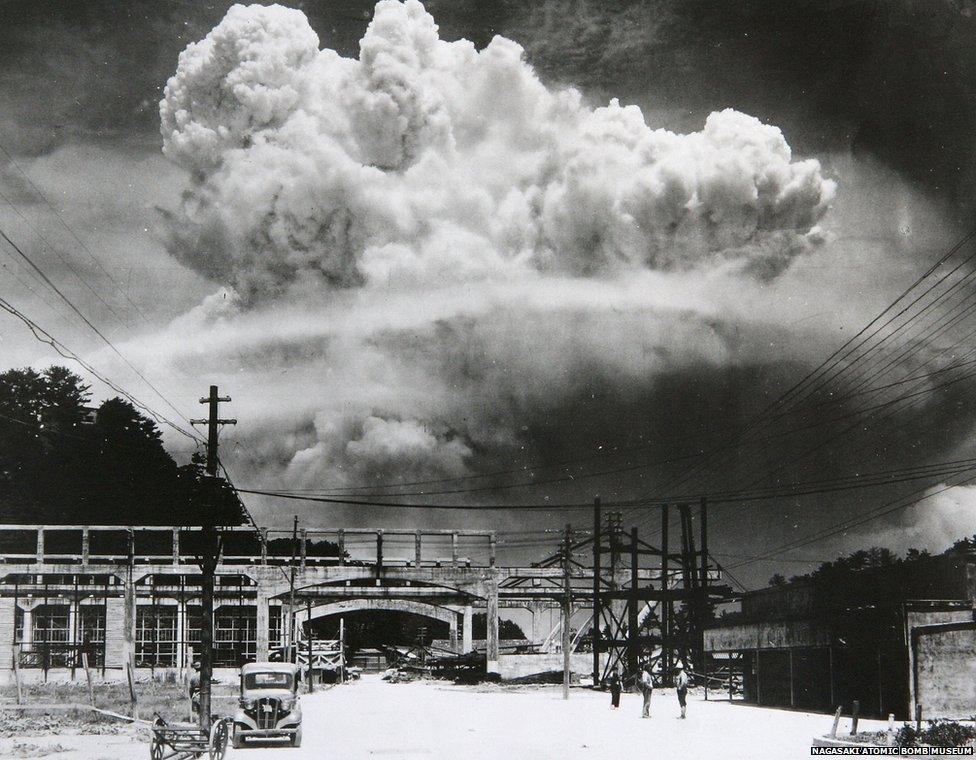
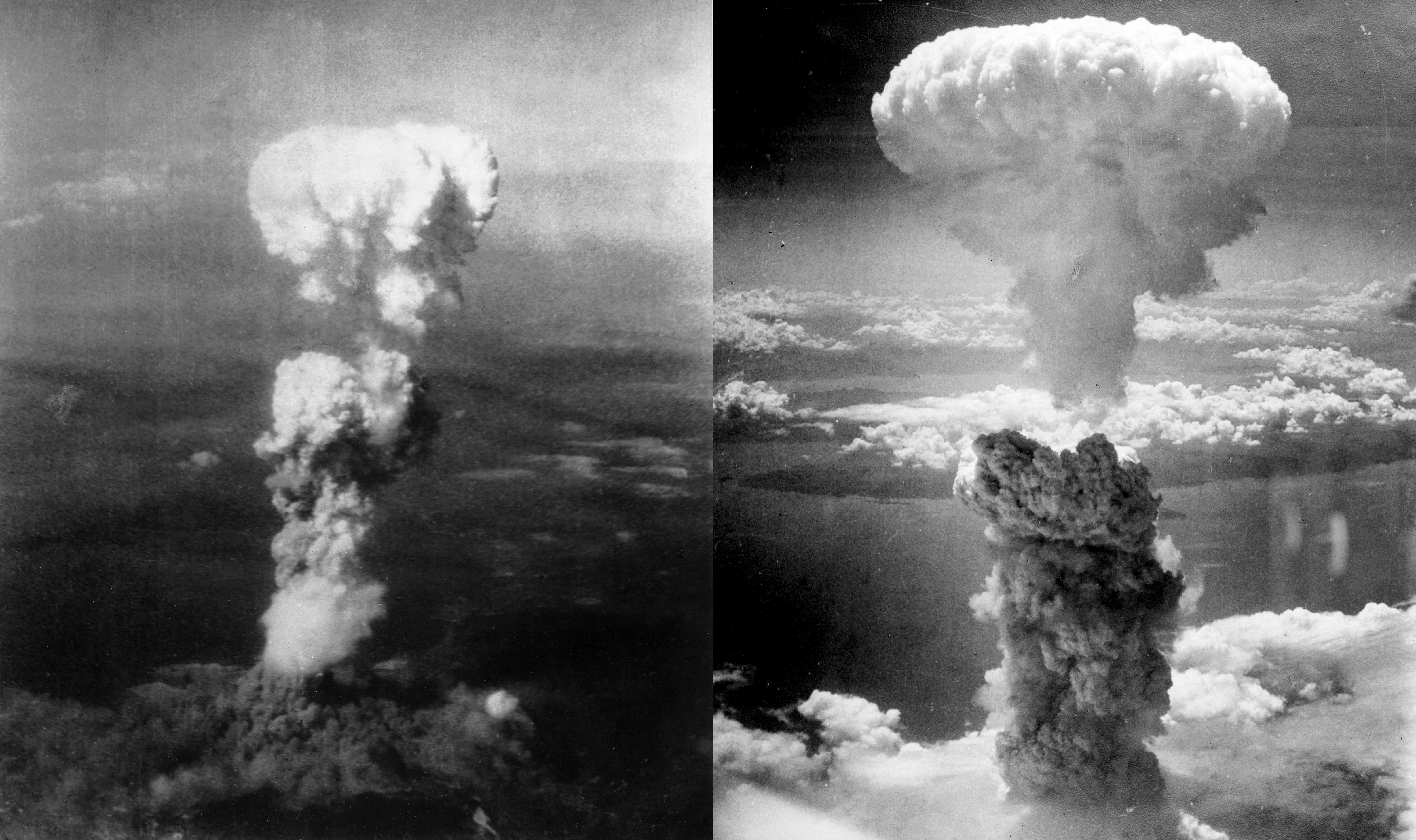
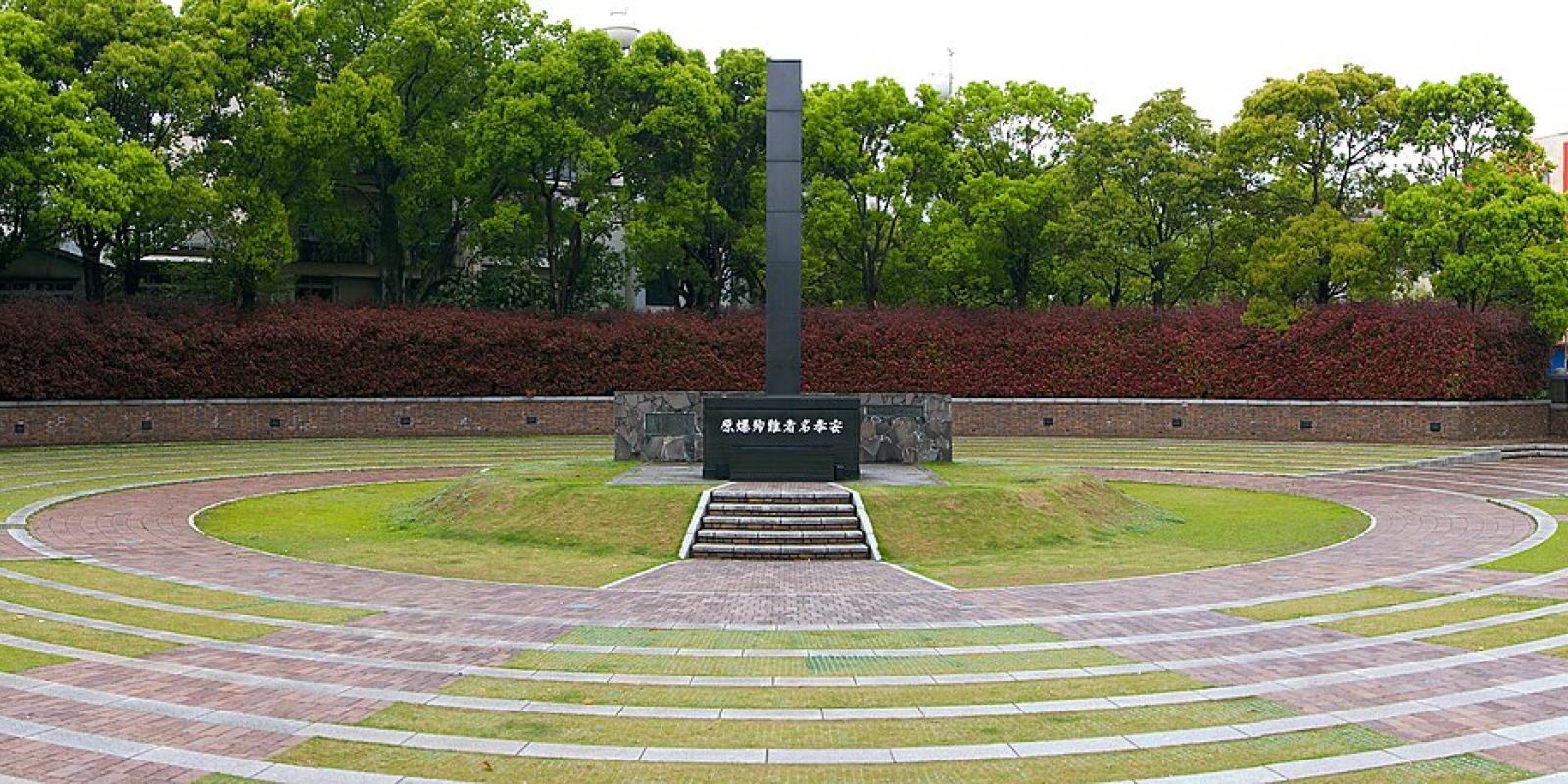
3 days after the United States dropped an atomic bomb on the Japanese city of Hiroshima, the city of Nagasaki was destroyed by a 21 kiloton atomic bomb nicknamed Fat Boy. About 40 to 80 thousand people were estimated killed during this American-led attack towards the end of the Second World War. A few days later on August 15, Japan surrendered to the Allies, effectively bringing the War to a close by September, 1945.
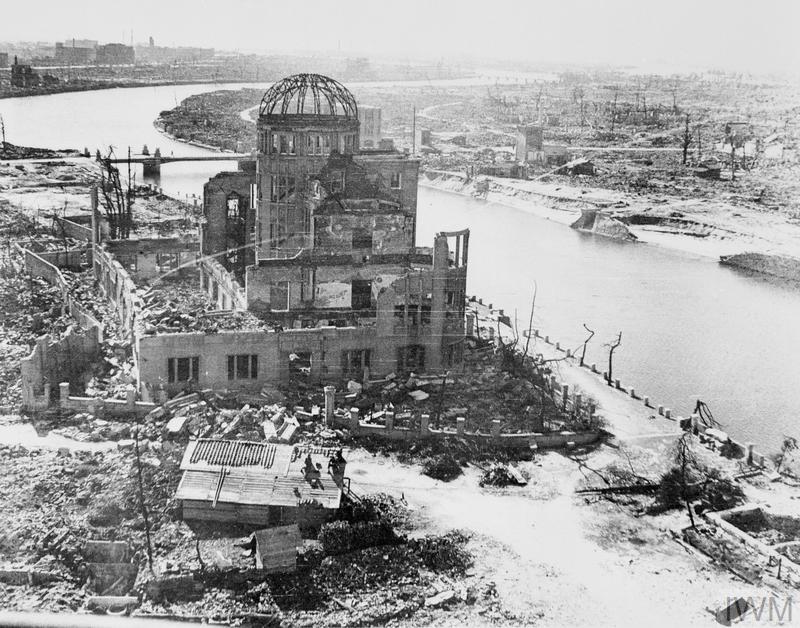
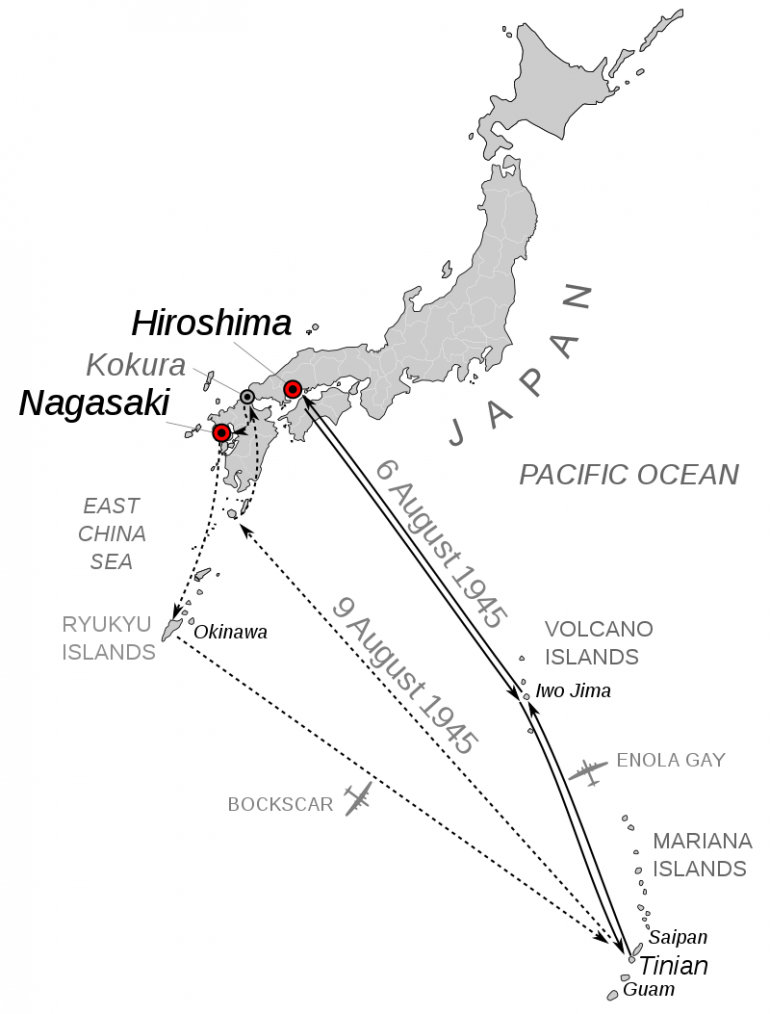
On 6 and 9 August 1945, the United States detonated unfortunately two atomic bombs over the Japanese cities of Hiroshima and Nagasaki, respectively, during World War II. The aerial bombings killed between 150,000 and 246,000 people, most of whom were civilians, and remain the only uses of nuclear weapons in an armed conflict. Japan announced its surrender to the Allies on 15 August, six days after the bombing of Nagasaki and the Soviet Union's declaration of war against Japan and invasion of Manchuria. The Japanese government signed an instrument of surrender on 2 September, ending the war.
