

The 15-Second Fight Shaking the World
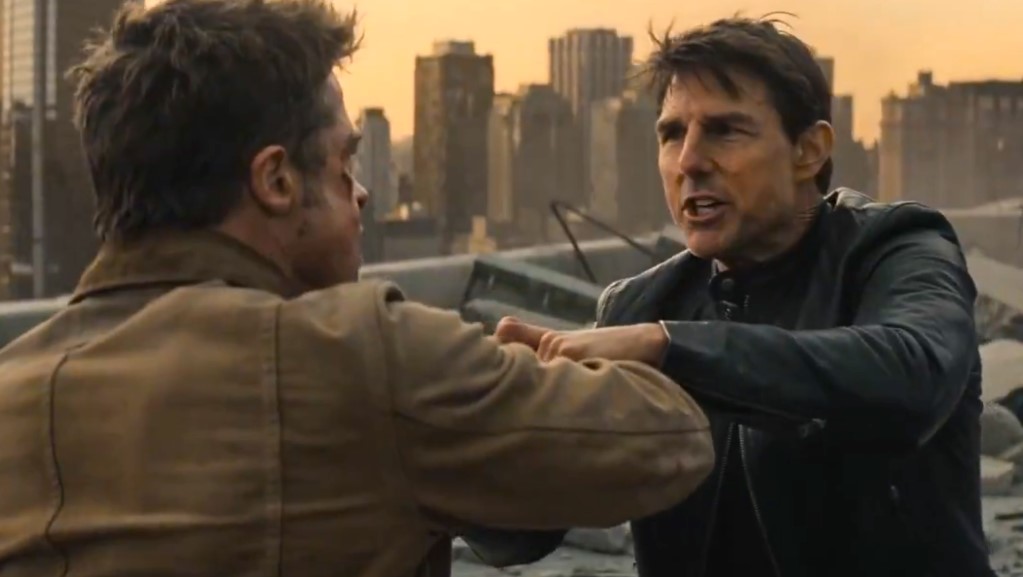
The 15-Second Fight Shaking the World: Why Hollywood is Panicking Over Seedance 2.0
A new viral clip is making the rounds, and it’s not just another "fun" AI curiosity. It is a terrifyingly clear snapshot of an industry on the brink of a massive, disruptive, and legally contentious evolution.
If you’ve seen the "Tom Cruise vs. Brad Pitt" rooftop fight, you’ve seen the future of cinema—and why the people who make movies are losing sleep.
The Review: "Tom vs. Brad" on the Rooftop
The video features photorealistic versions of Cruise and Pitt engaged in a high-octane fistfight atop a skyscraper. Here is how it stacks up:
The Quality: It is remarkably, almost uncomfortably, realistic. The lighting is cinematic, the facial features are accurate to their current ages, and the stunt choreography looks like something pulled straight from the cutting room floor of Mission: Impossible or Fight Club.
The "Tell": While visually stunning, it’s not perfect—yet. The physics still have that slight, floaty, "AI-dream" quality in certain frames, and under close inspection, the faces occasionally dip into the "uncanny valley."
The Content: The dialogue is where the illusion breaks. Lines like "You killed Jeffrey Epstein, you animal! He was a good man!" are pure nonsensical, provocative AI-speak—a hallmark of current AI content trying to force virality through shock value.
The Tool: Seedance 2.0 (by ByteDance)
The engine behind this chaos is Seedance 2.0, developed by ByteDance (the tech giant behind TikTok). It represents a fundamental shift in how AI video works:
Extreme Consistency: Previous AI models struggled to keep characters looking the same from one second to the next. Seedance 2.0 has solved the "morphing" problem, maintaining identical faces, costumes, and environments across a full sequence.
Multimodal Directing: Unlike simple text-to-video tools, Seedance 2.0 allows users to upload images for characters, reference videos for motion, and audio for timing. It’s not just a generator; it’s a digital backlot.
Radical Accessibility: This 15-second action sequence was reportedly created with just a two-line text prompt. It effectively democratizes Hollywood-level production, allowing anyone with a laptop to generate footage that used to require a $100 million budget.
Why Hollywood is in a "Total Panic"
The reaction from the industry has been swift and severe.
1. Likeness Rights & IP Theft
The Motion Picture Association (MPA) and SAG-AFTRA have already condemned the tool. By using Cruise and Pitt’s faces without permission, Seedance 2.0 has reignited the firestorm over who owns a celebrity’s likeness. If an AI can perfectly replicate an A-lister, does the actor still need to show up to set?
2. The Death of "The Blockbuster Look"
If a single person can create a professional-grade action scene in seconds, the livelihoods of VFX artists, stunt coordinators, and cinematographers are under immediate threat. The "gatekeepers" of high-end visuals are being bypassed entirely.
3. The Existential Dread
Screenwriter Rhett Reese (Deadpool & Wolverine) summarized the mood perfectly: "It’s likely over for us." He noted that we are rapidly approaching a point where a single talented person can sit at a computer and create a movie indistinguishable from a studio release.
Conclusion: From "AI-Slop" to "AI-Cinema"
The Seedance 2.0 clip is a wake-up call. The era of grainy, weird AI "slop" is ending, replaced by high-fidelity AI-Cinema. We are no longer debating if AI can replace traditional filmmaking, but how fast it will happen and who will be left standing.
This viral fight isn't just entertainment—it's the opening bell of an urgent showdown between creative technology and the legal/ethical frameworks of the modern world.
